A comfortable indoor environment starts with a reliable air conditioning system. During the warm summer months in Braintree, MA, a properly installed central air conditioning system can make a significant difference in maintaining consistent temperatures throughout your home or commercial property. Whether you are replacing an outdated cooling unit or installing central AC for the first time, choosing the right equipment and professional installation service is essential.
Professional HVAC Services help ensure that your air conditioning system is properly sized, installed, and configured to deliver dependable cooling performance. With the right installation, property owners can enjoy better indoor comfort, improved airflow, and efficient operation throughout the cooling season.
What Is Central Air Conditioning Installation?
Central air conditioning installation involves setting up a complete cooling system that distributes conditioned air throughout a property using ductwork and air distribution vents. Unlike individual window air conditioners, central AC systems are designed to cool multiple rooms from a single system.
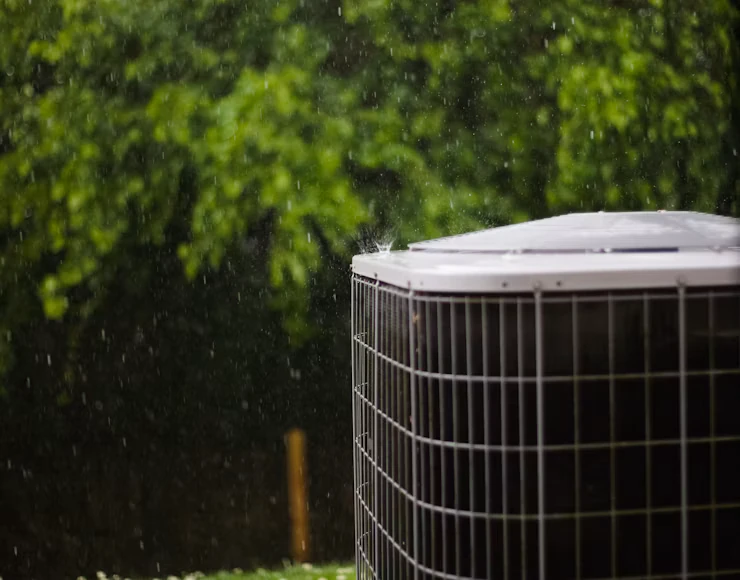
A typical central air conditioning system includes an outdoor condenser unit, an indoor evaporator coil, an air handler or furnace blower, a thermostat, and a network of air ducts.
When all these components work together correctly, the system circulates cool air throughout the building and helps maintain a comfortable indoor temperature.
Professional installation is important because incorrect equipment sizing, poor duct connections, or improper system configuration can affect cooling performance and energy consumption.
Benefits of Installing a Central Air Conditioning System
Central air conditioning offers several advantages for homeowners and commercial property owners looking for reliable indoor cooling.
1. Consistent Cooling Throughout Your Property
One of the biggest advantages of central AC is its ability to distribute cool air across multiple rooms. Properly designed ductwork helps maintain more consistent indoor temperatures and reduces the need for separate cooling units.
2. Improved Energy Efficiency
Modern central air conditioning systems are available with energy-efficient features designed to reduce electricity consumption. Selecting an appropriately sized unit and ensuring professional installation can help avoid unnecessary energy waste.
3. Better Indoor Air Circulation
Central AC systems circulate air through filters that capture certain airborne particles, including dust and other common pollutants. Regular filter replacement and system maintenance help support better indoor air quality.
4. Convenient Temperature Control
A central air conditioning system allows property owners to control indoor temperatures through a single thermostat. Some advanced systems also support programmable thermostats and smart temperature controls.
5. Increased Indoor Comfort
A properly installed central AC system helps maintain comfortable temperatures during hot and humid weather. It can also help manage indoor humidity, contributing to a more pleasant living or working environment.
Steps Involved in Professional Central AC Installation
Installing a central air conditioning system requires technical knowledge, proper equipment, and attention to detail. An experienced HVAC technician generally follows several important steps to complete the installation.
Initial Property Inspection: The technician evaluates the property, existing cooling equipment, insulation, ductwork, and electrical requirements to understand the installation needs.
System Sizing and Selection: Choosing the correct AC capacity is important. HVAC professionals consider factors such as building size, ceiling height, windows, insulation, and heat gain to determine the appropriate equipment size.
Equipment Installation: The outdoor condenser, indoor evaporator coil, and other necessary components are installed according to manufacturer specifications and applicable codes.
Ductwork Inspection: Existing ductwork is checked for leaks, restrictions, and other problems that could affect airflow. Necessary repairs or improvements may be recommended.
Thermostat and Electrical Connections: The thermostat, electrical connections, and system controls are installed or configured to support proper operation.
System Testing: After installation, the technician tests the equipment, checks airflow, verifies cooling performance, and confirms that the system is operating correctly.
Following these steps helps ensure that the new central air conditioning system is ready for regular use.
When Should You Replace Your Existing Central AC System?
An older air conditioning system may gradually lose efficiency and require more frequent repairs. Although some problems can be resolved through professional AC repair, replacement may be a better option when the equipment is no longer operating reliably.
Consider a central AC replacement if you experience:
- Frequent breakdowns and increasing repair expenses.
- Rising electricity bills despite similar cooling usage.
- Uneven temperatures in different rooms.
- Poor cooling performance during hot weather.
- Unusual operating noises or persistent equipment problems.
- An aging system that no longer meets your property’s cooling requirements.
An HVAC professional can inspect the existing equipment and help determine whether repairing or replacing the system makes more financial sense.
Why Professional HVAC Services Matter
Central air conditioning installation is not simply about connecting an indoor and outdoor unit. It requires proper system sizing, refrigerant line installation, electrical work, airflow evaluation, and equipment testing.
Working with an experienced HVAC contractor helps reduce installation mistakes and supports the long-term performance of your cooling equipment.
Professional HVAC Services can also include AC repair, preventive maintenance, ductless mini-split installation, air duct cleaning, duct sealing, and indoor air quality improvements.
Having access to these services makes it easier to maintain your complete heating and cooling system throughout the year.
Maintaining Your Central Air Conditioning System
After installing a new central AC system, regular maintenance is important for keeping it in good working condition.
Here are some maintenance practices that can help:
- Replace or clean air filters according to manufacturer recommendations.
- Keep the outdoor condenser unit free from leaves, dirt, and debris.
- Schedule annual professional AC inspections.
- Check thermostat settings and system operation.
- Have ductwork inspected for leaks or airflow restrictions.
- Keep condensate drain lines clear to prevent drainage problems.
- Preventive maintenance can help identify potential issues early, maintain cooling efficiency, and reduce the likelihood of unexpected equipment breakdowns.
Choose Davis Mechanical Corp for Central AC Installation in Braintree, MA
If you are planning to install a new central air conditioning system in Braintree, MA, Davis Mechanical Corp can help with your residential and commercial heating and cooling requirements.
From central air conditioning installation and AC replacement to system repairs and preventive maintenance, professional HVAC support helps property owners maintain comfortable indoor environments.
Davis Mechanical Corp also offers a range of HVAC Services, including ductless mini-split systems, commercial HVAC solutions, air duct cleaning and sealing, and indoor air quality services.
Whether you are upgrading an older air conditioner or planning a new cooling system installation, choosing the right HVAC contractor is an important step toward dependable indoor comfort.
Contact Davis Mechanical Corp to discuss your central air conditioning installation requirements and find a suitable cooling solution for your property in Braintree and surrounding South Shore communities.
Business Information:
- Business Name: Davis Mechanical Corp
- Location: Braintree, MA
- Phone: (781) 356-6888
- Website: https://davismechanical.net/
Frequently Asked Questions
1. How long does central air conditioning installation take?
Most standard central AC installations can be completed within one to two days. However, the timeline may vary depending on the property’s existing ductwork, electrical requirements, and installation complexity.
2. How do I choose the right central air conditioning system for my home?
The right system depends on your property’s square footage, insulation, layout, windows, and cooling requirements. An HVAC technician can perform a load calculation to determine the appropriate system capacity.
3. Is central air conditioning more efficient than window AC units?
Central air conditioning can provide more consistent cooling throughout an entire property. Its overall efficiency depends on equipment ratings, system sizing, ductwork condition, and usage habits.
4. How often should central AC systems receive maintenance?
Professional maintenance is generally recommended at least once a year, preferably before the summer cooling season. Regular filter replacement and routine inspections also help maintain performance.
5. Can I install central air conditioning in an older home?
Yes. Central air conditioning can often be installed in older homes, although additional ductwork, electrical upgrades, or other modifications may be necessary.
6. What other HVAC Services are available besides central AC installation?
HVAC contractors commonly provide air conditioning repair, AC replacement, ductless mini-split installation, heating system services, duct cleaning, duct sealing, and preventive maintenance.